

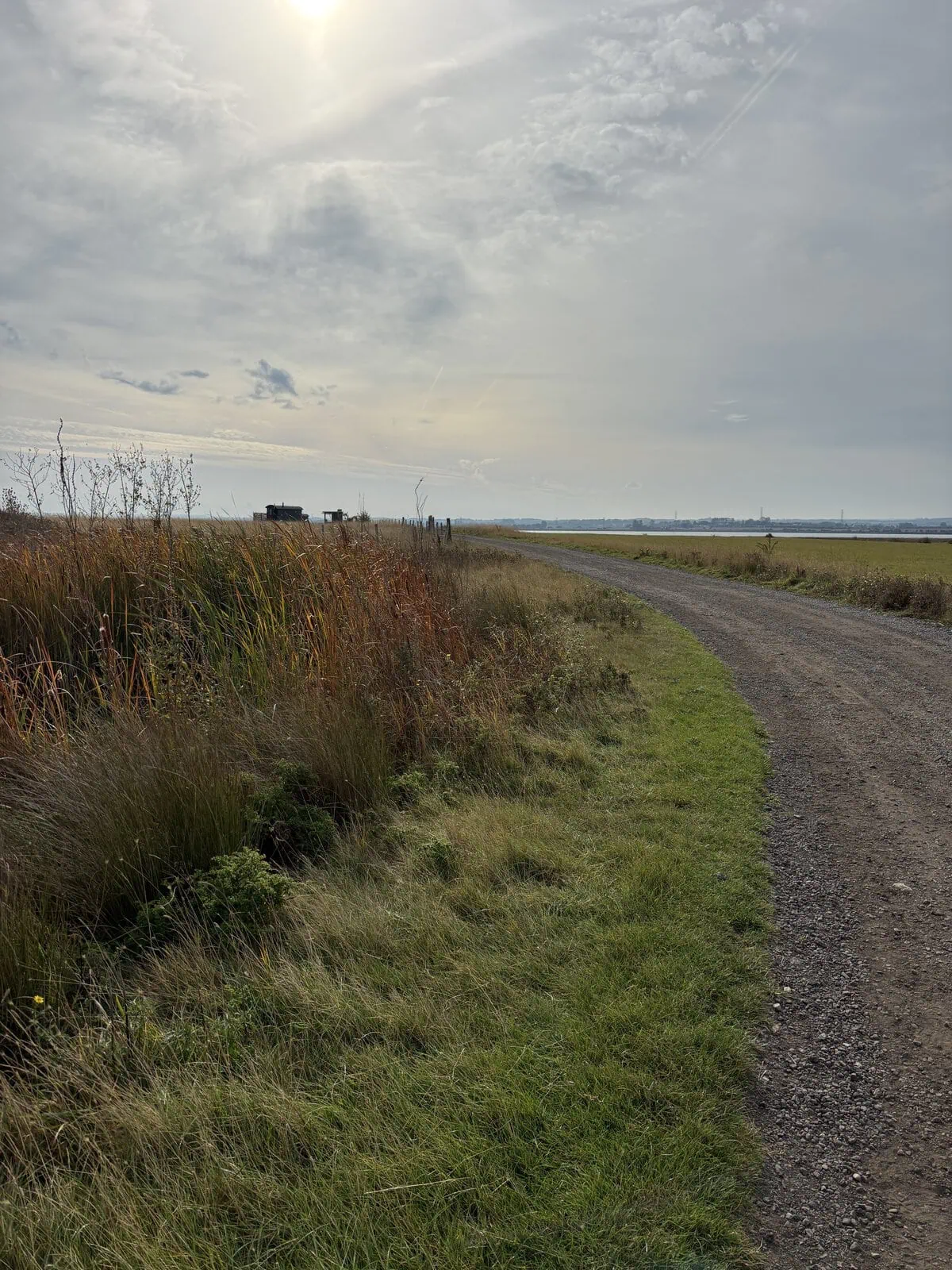
It’s always hard to know how to describe Elmley Nature Reserve and do it justice but its the kind of place that is good for the soul. The owners, Gi and Gareth, pay so much attention to working with the land, to provide amazing habitat for wildlife, you can feel the ease of nature. It brings back memories of living as a child on the Isle of Lewis, seeing Curlews, Lapwings and feeling in awe at the sense of scale as a small human being.
I was extremely honoured to be invited to work them as they take their guest experience to the next stage of evolution. If you have ever visited you will know that outside their barn and courtyard is a large gravel area, that was the car park. This area is the main entrance for visitors. Like the rest of Elmley it has a agricultural/ industrial feel with some seating and planters. A space with lots of potential…..
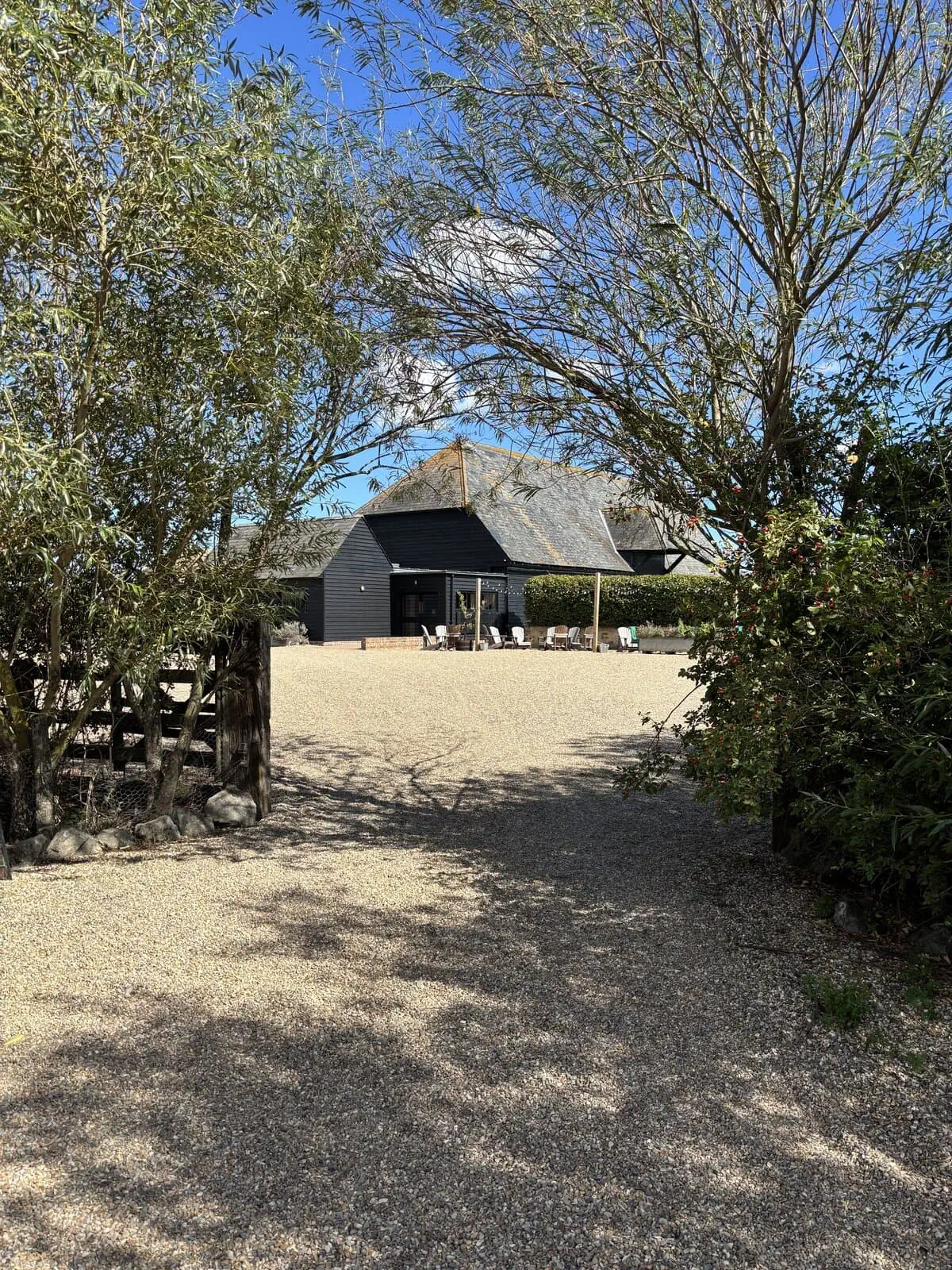
Gi and Gareth wanted to create a gravel, drought tolerant garden, very much in the style of Beth Chatto (which shares a very similar climate and location to Elmley).
Planting without soil and in differing substrates is a really hot topic. Sustainability is driving the reuse of materials, rather than digging up and sending to landfill. There are added benefits too in weed suppression and conserving moisture. The gravel is on top of tarmac, road planings and deep beneath lies clay soil. By breaking through the plant roots will be able to tap into the clay, without sitting water logged, a killer to most drought tolerant plants. Sand, that was found locally, will be used to top dress the beds and plant the small plants into.
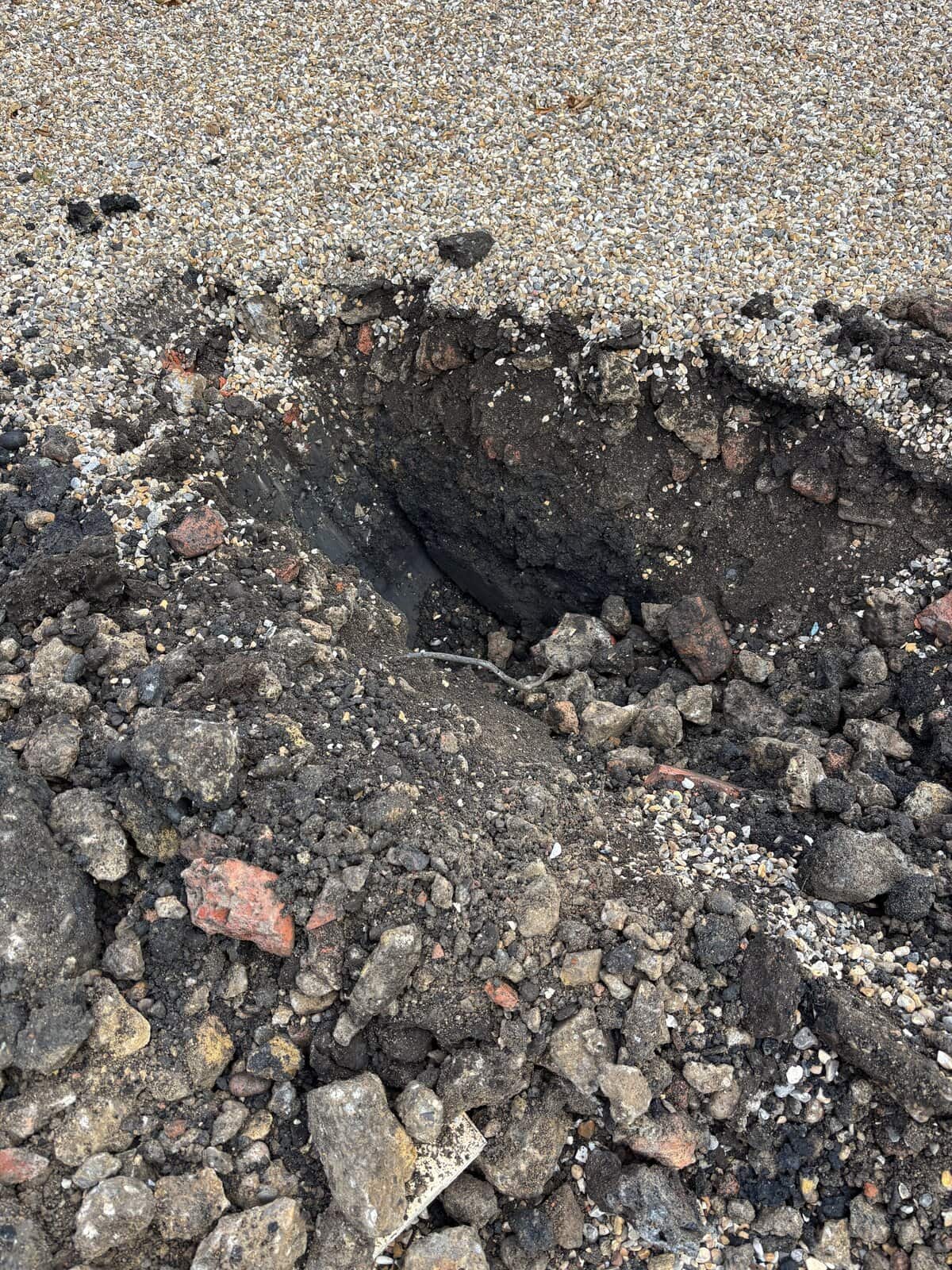
The hope is that wildlife and insects will colonise the sand and plants, with solitary bees making their home in sandy mounds. The planting selection has a lot to contend with, as well as being planted in gravel/ sand/ tarmac, be drought tolerant, they also need to be able to cope with wind (the reserve is very exposed – I can testify from being blown off my bike there!) and there are lots of rabbits who will happily mulch on anything.
Key plants in the design
Crambe Cordifolia/ Flowering Sea Kale- a great coastal plant with lots of tiny white flowers for pollinators https://www.rhs.org.uk/plants/4709/crambe-cordifolia/details
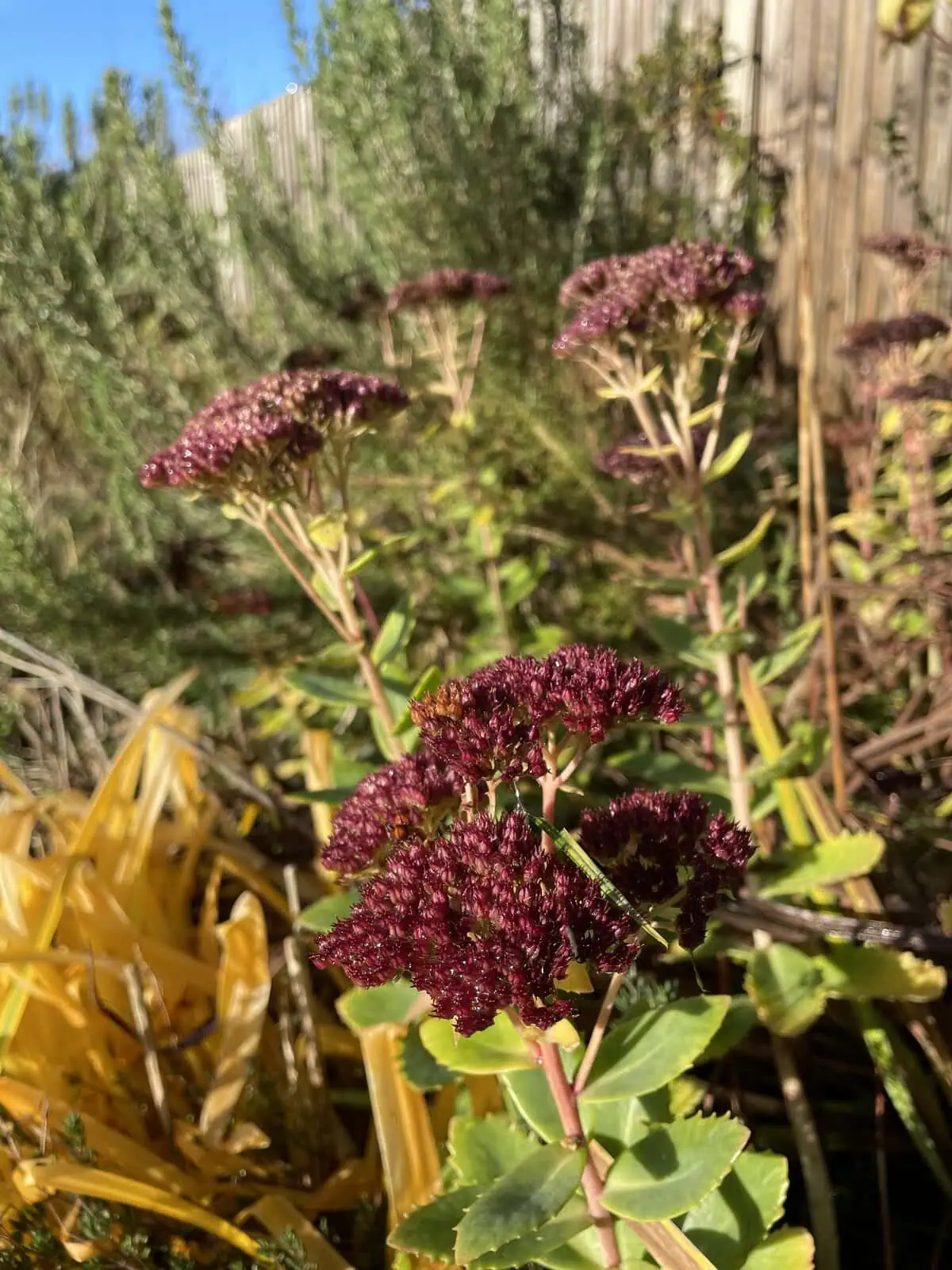
Hylotelephium Herbstfreude/ Sedum – one of my absolute faves, has fleshy green leaves that give rise to pink flowers that darken into Autumn. A great one for late season pollinators. The flowerheads are are architectural and last all the way through to Feb. https://www.rhs.org.uk/plants/226376/sedum-spectabile-herbstfreude/details
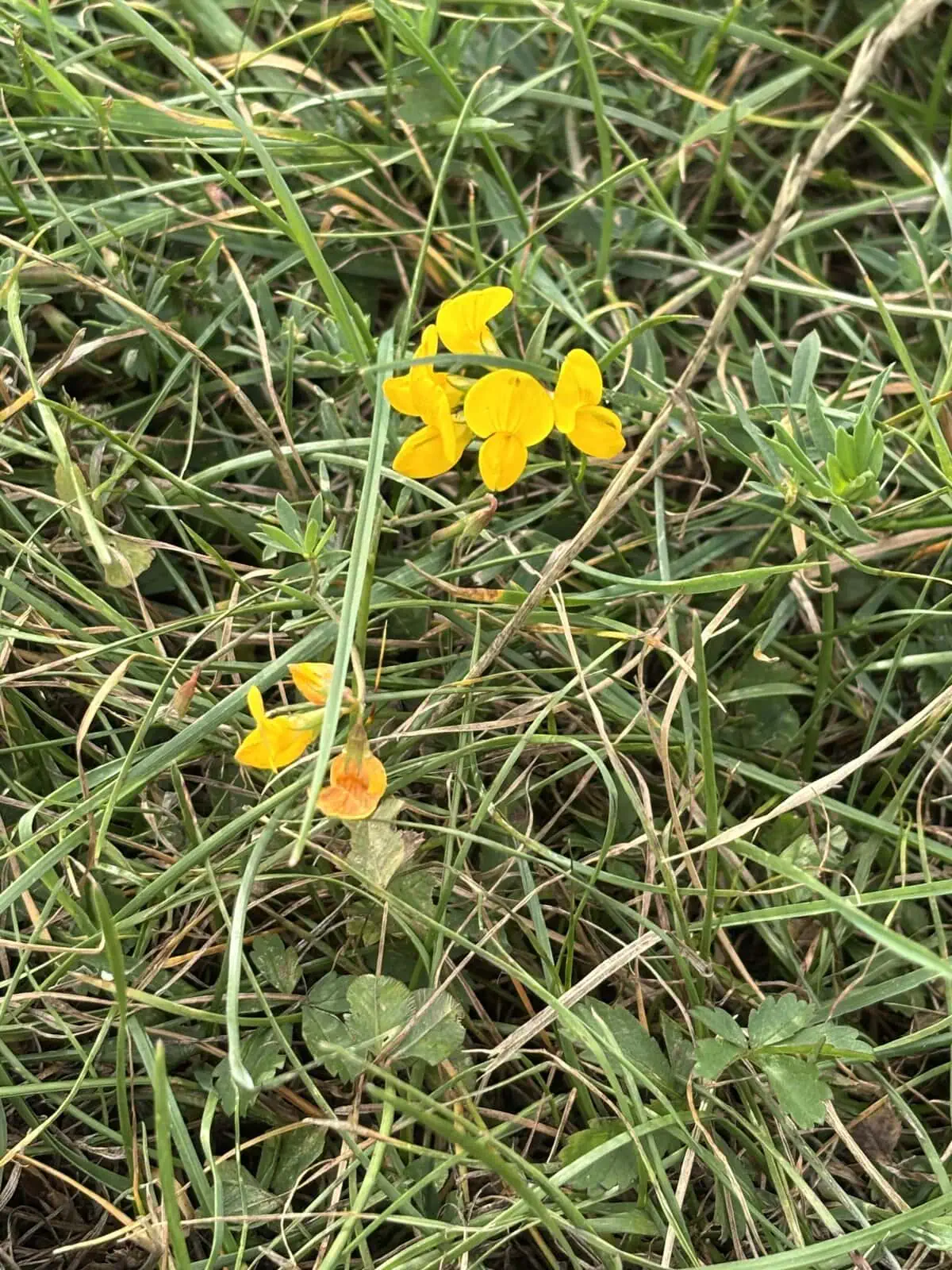
Lotus Cornicultus/ Birds Foot Trefoil – a native perennial, with little yellow flowers. Seen elsewhere on the reserve. https://www.rhs.org.uk/plants/99960/lotus-corniculatus/details
Marrubium Supinum/ Horehound – Seen at Beth Chattos – a lovely perennial with pink lilac pom pom flowers with silky silvery leaves. Hoping this one does well here too! https://www.bethchatto.co.uk/conditions/plants-for-dry-conditions/marrubium-supinum.htm
When I’m designing seating areas there are psychological considerations. It’s in our nature to want to feel secure and enclosed, and still have a line of view further afield (escape route). I’ve shaped beds of the garden to provide cosy nooks of planting and places to pause, enjoy the garden and relax.
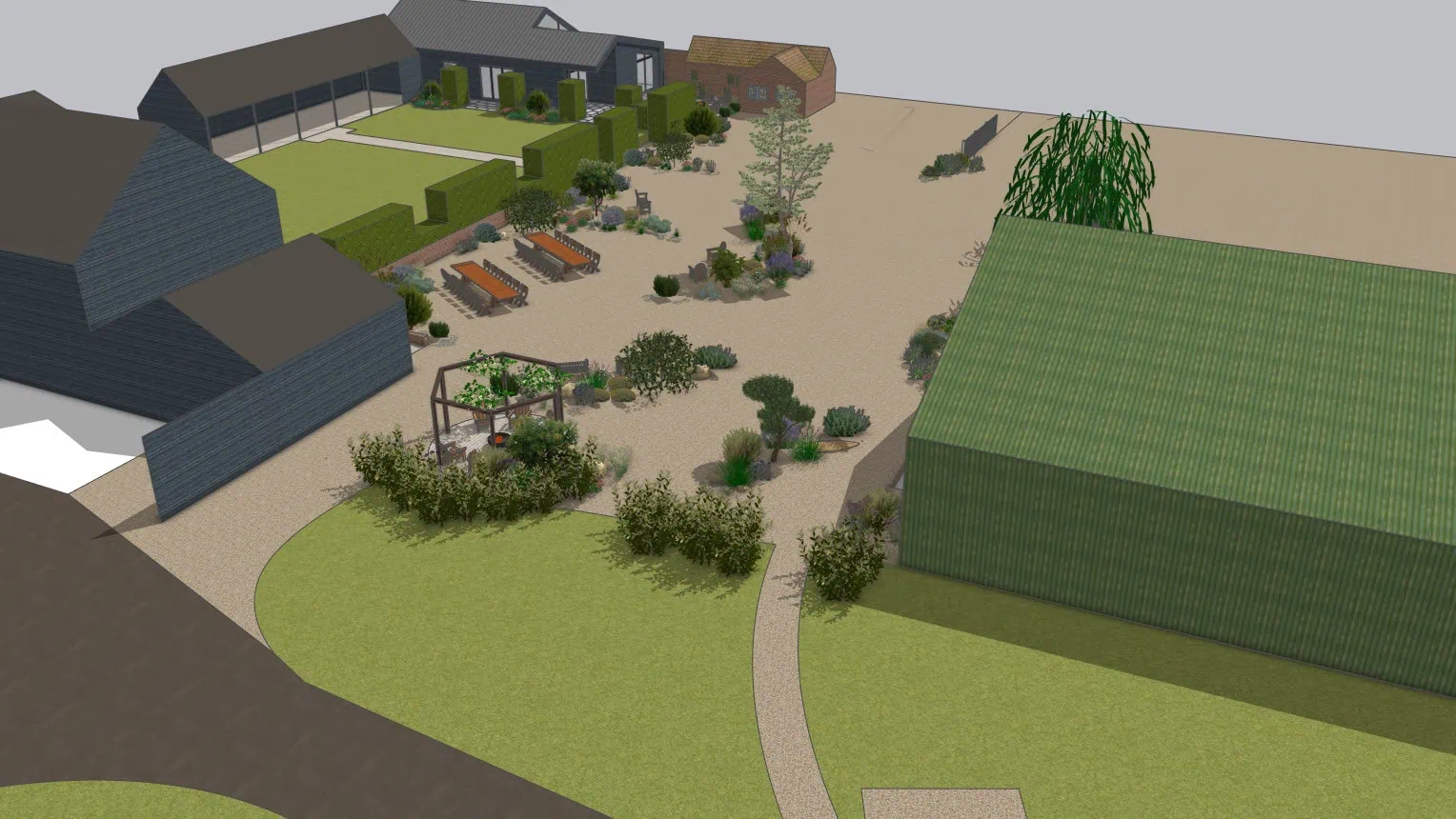
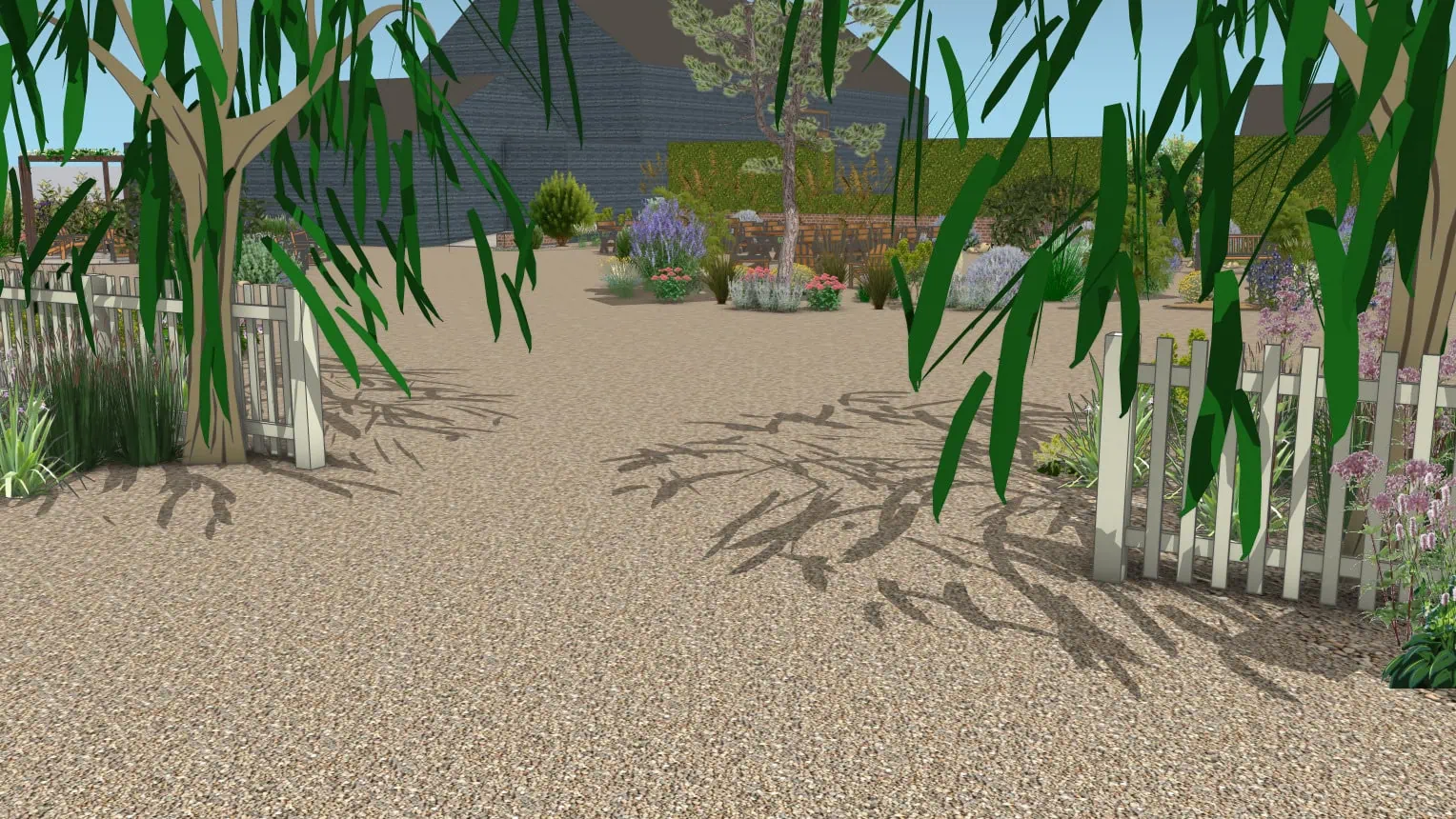
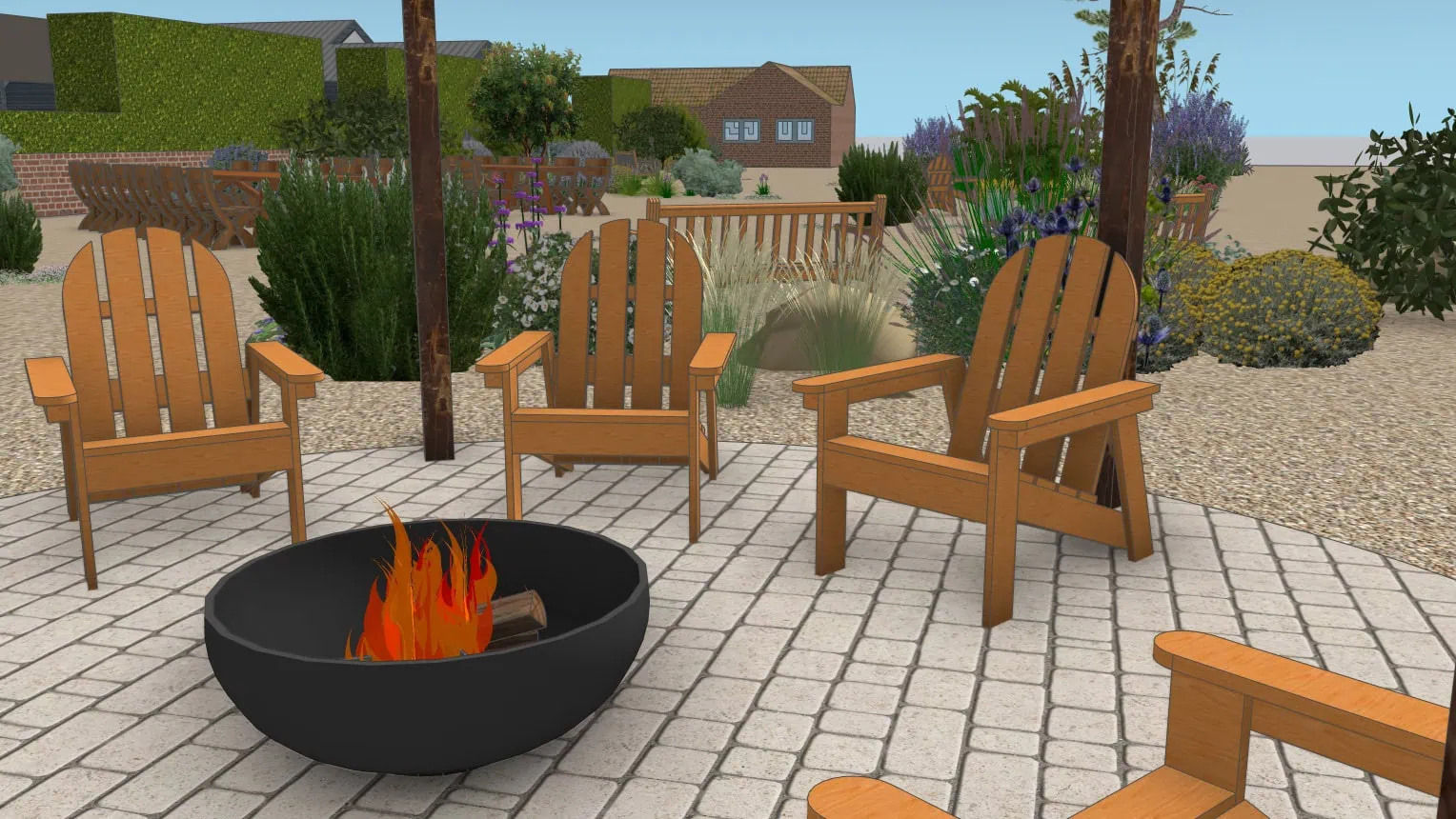
Journeying between the different buildings and areas will become more interesting with differing plant textures, flower colours and scent from Mediterranean herbs. The flow of the garden provides opportunities to slow down through the space, places to stop enjoy the garden and the wider view points through to the reserve and big skies.
Working with the seasons, plants in the plan include ones with early spring blossom for early emerging pollinators, open blooms to give easy access to nectar, late structural stems, seedheads and grasses for over-wintering insects and hungry birds.
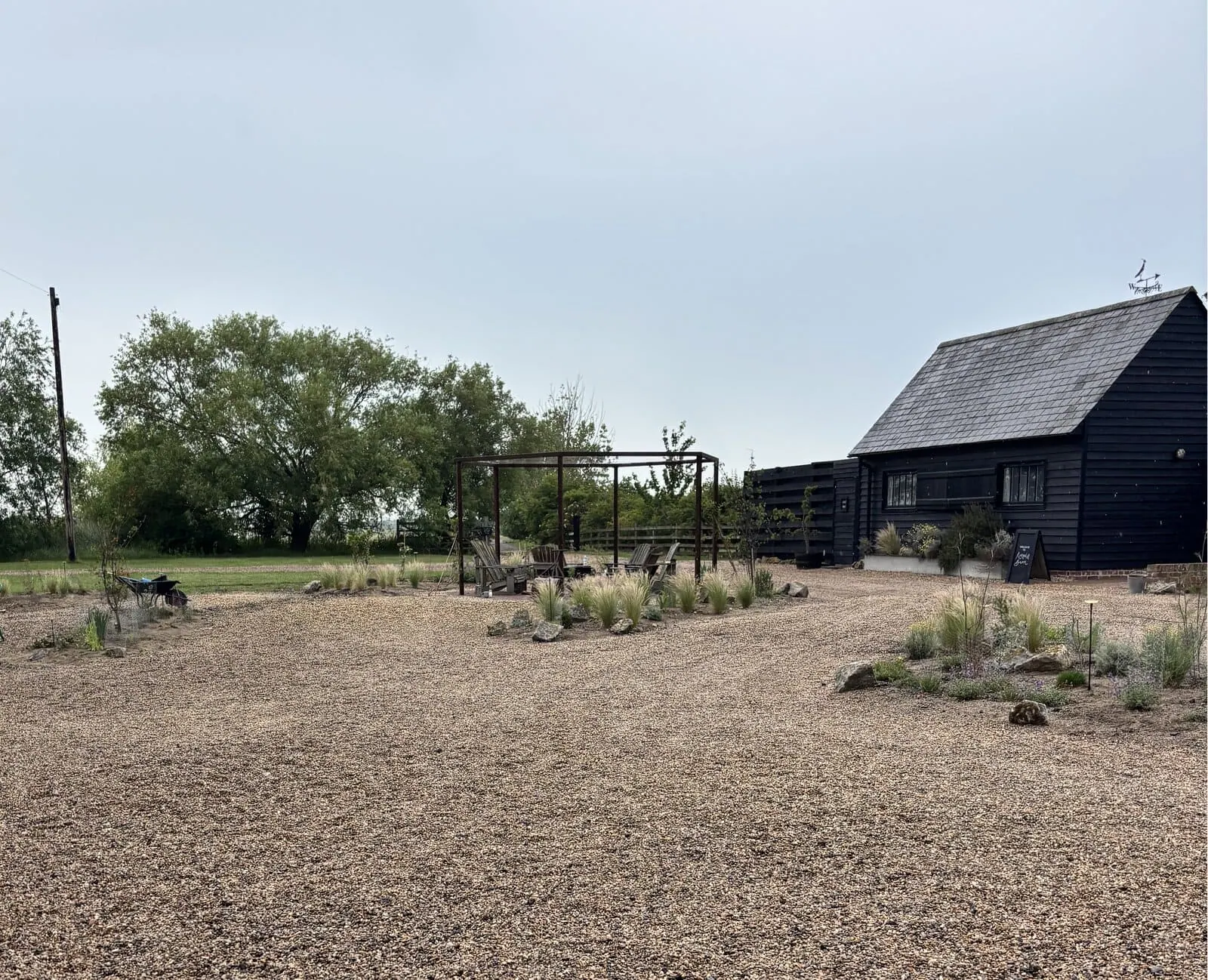
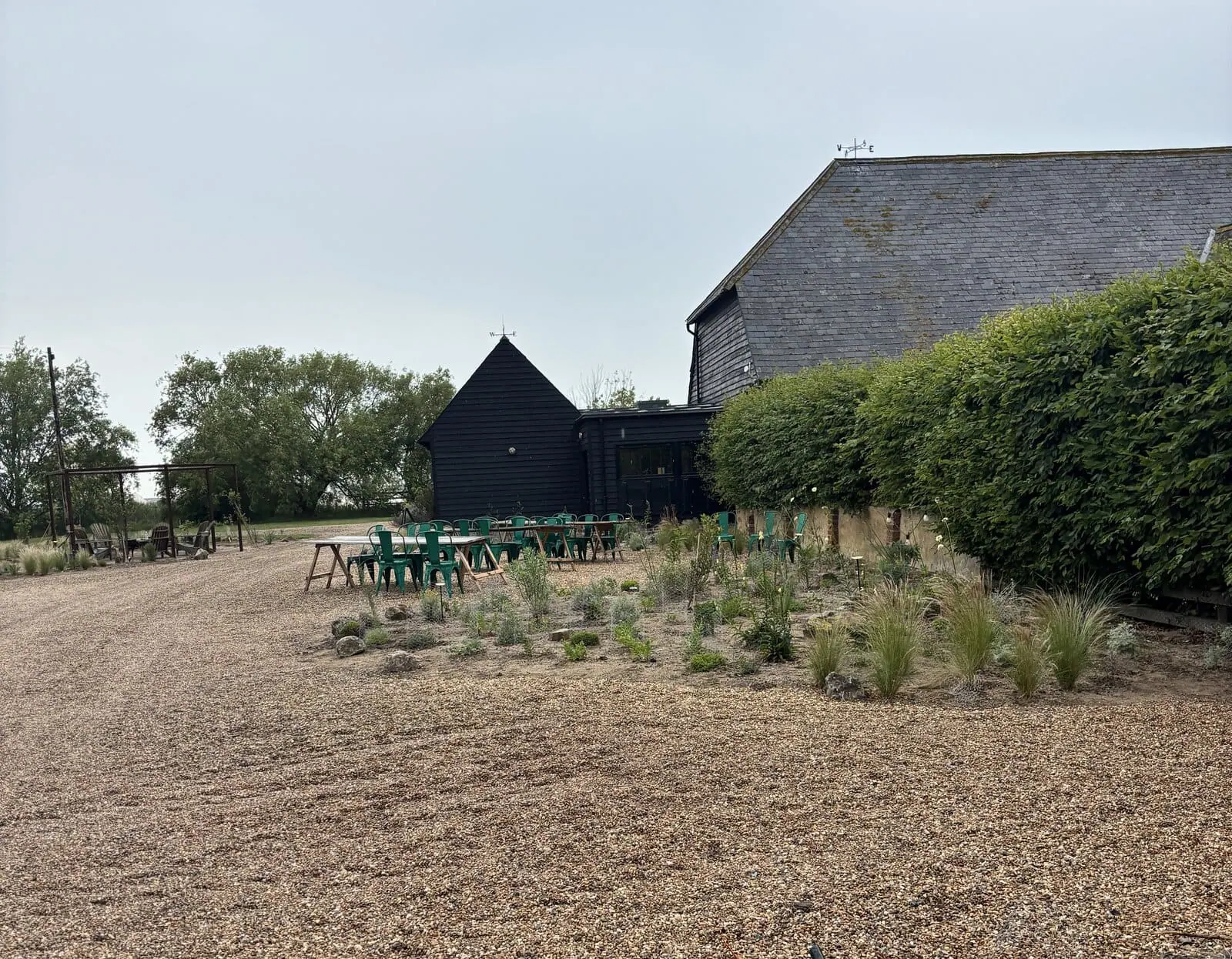
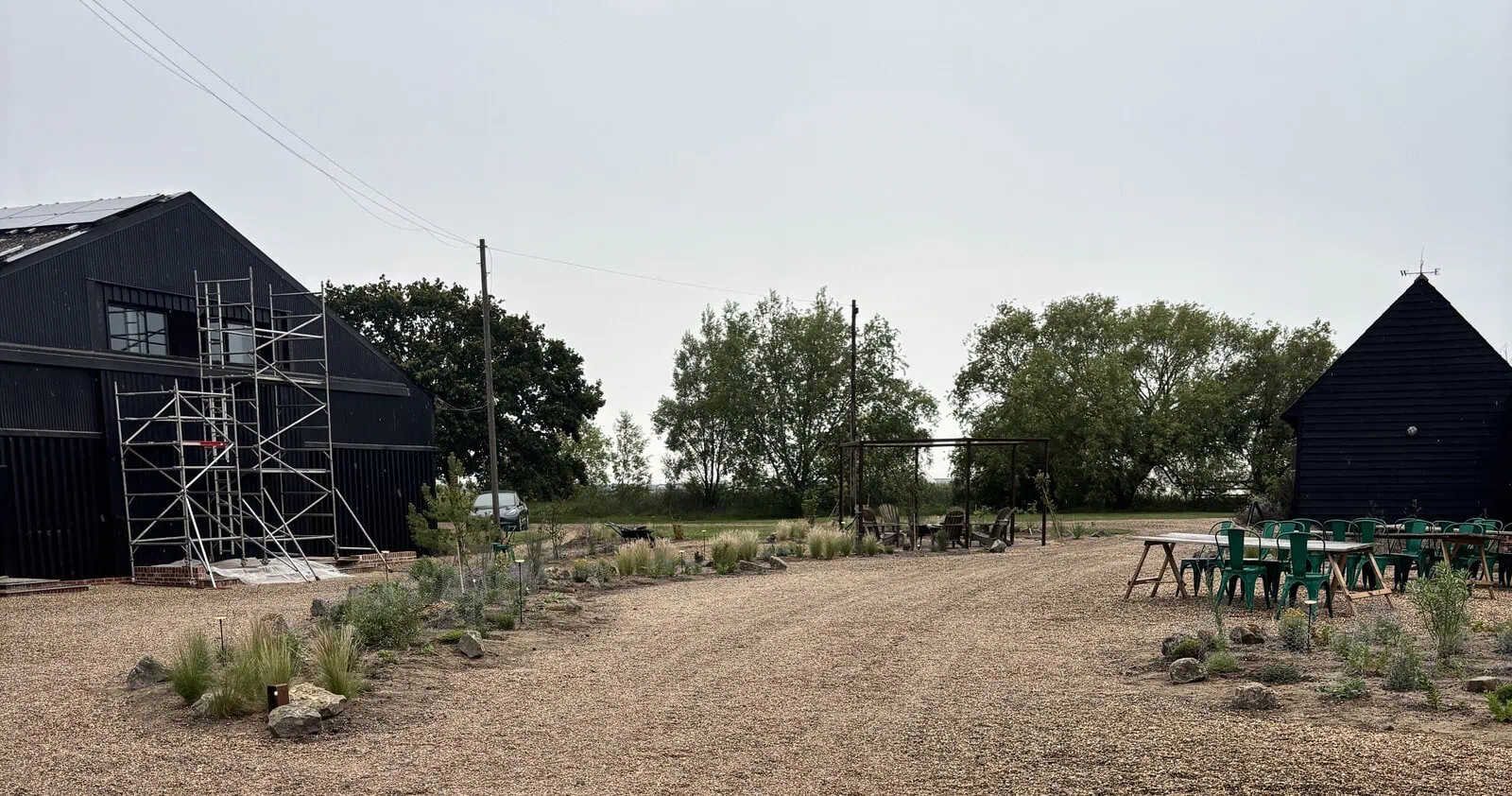
This style of garden is about evolving and editing with the garden as self-seeders move around the space, carpeting herbs cover the ground and the garden starts to tell us what survives and thrives in the condition.
Watch this space to see how it evolves.. https://www.elmleynaturereserve.co.uk/